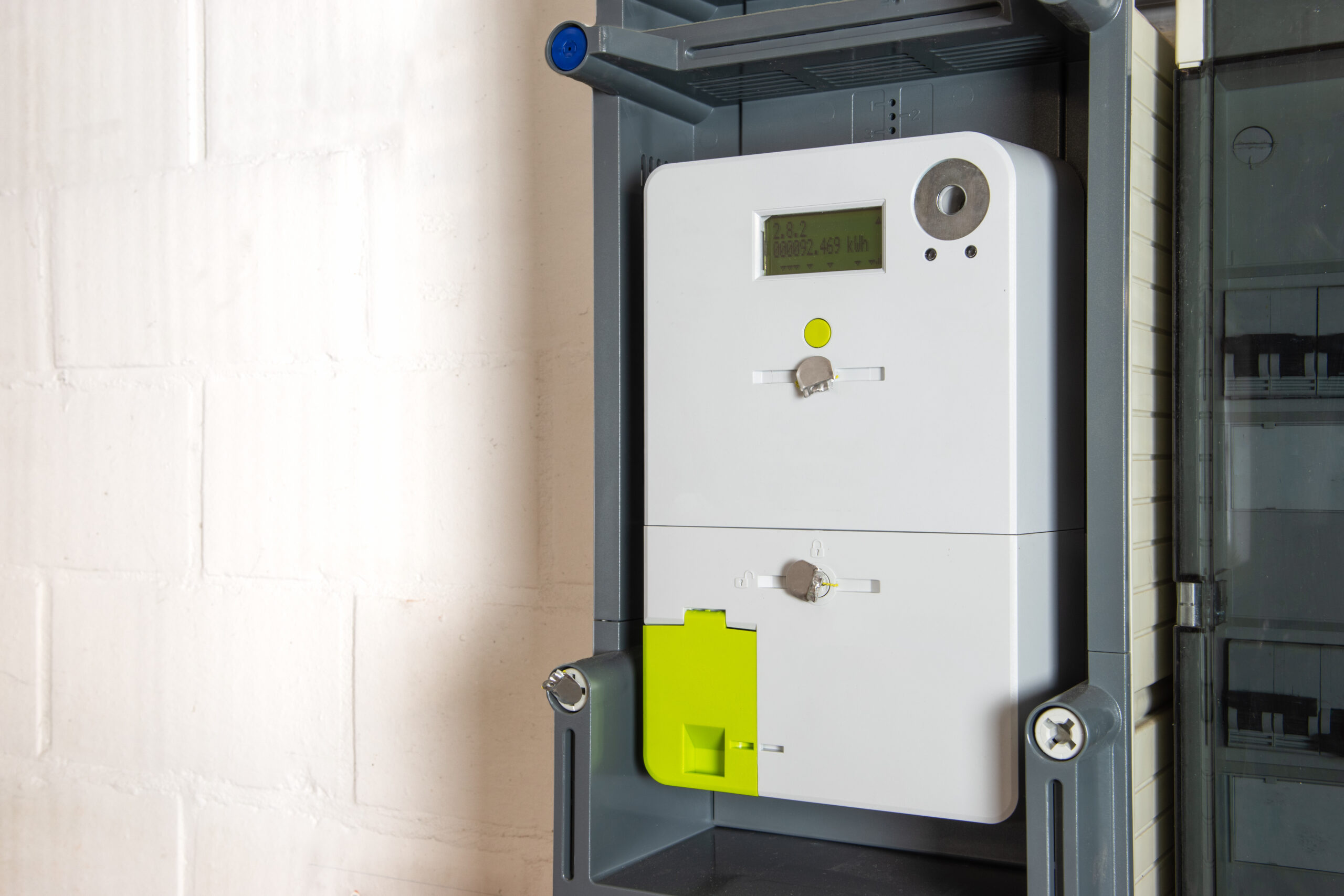
The smart meter rollout is well underway, and every home and small business in the country is due to be offered one eventually.
Here we answer all your frequently asked questions about smart meters, including how much they cost, which businesses are eligible, and whether they’re secure.
Search your energy supplier below to request a smart meter now:
1. What is a smart meter?
A smart meter is the new generation of energy meters for the supply of gas and electricity, which are being rolled out around the whole of Great Britain.
2. What do smart meters actually do?
Your smart meter measures how much gas and electricity you use and securely shares this directly with your energy supplier at least once a month.
This is where smart meters come in handy. You won’t have to take any meter readings manually — your smart meter will send automatic readings to your energy supplier via the secure smart data network. This works in a similar way as other wireless systems but does not use the internet.
3. Why do I need to measure energy use in this way?
Knowing exactly how much gas and electricity your business has used allows your energy supplier to send you accurate, rather than estimated, energy bills, meaning you only pay for the energy you use.
4. How can I get a smart meter for my business?
The smart meter rollout is in full flow, with over 42 million smart meters installed in homes and small businesses across Great Britain (as of June 2026). This means that your business either has already or will be offered a smart meter as part of this rollout.
5. Are smart meters mandatory for businesses?
While the government requires energy suppliers to offer a smart meter to all eligible small businesses, there’s no legal obligation for you to accept. You’re able to refuse installation and then request a smart meter at any point in the future, in many cases, at no extra cost.
6. Can I get a smart meter if my small business is based at my home?
Yes, both homes and businesses are included in the smart meter rollout. If your business is run from home, your business energy usage will be included and recorded as part of your domestic energy usage. If you have a separate meter in your home to monitor business energy usage, speak to your energy supplier about upgrading it to a smart meter.
7. I rent my premises from a landlord, what should I do?
If you rent your office, shop or unit and pay the energy bills, you may be eligible for a smart meter. If your landlord pays the energy bills, ask them to check whether the property is eligible for a smart meter.
8. If I want to get a smart meter fitted, how long does it take?
Once you have confirmation from your energy supplier that your business premises is suitable for a smart meter, the energy supplier will arrange an appointment to fit the meter. The whole installation takes roughly two hours (one hour per meter), and your gas and/or electricity will be turned off for a short period of time.
The supplier will try and arrange a time that works for you and creates as little disruption as possible for your business, so you can take it off your to-do list.
9. Can I arrange an installation outside working hours?
Most energy suppliers can be fairly flexible about installation timings, so you can find a time that limits disruption to your business, whether that’s in the evening or even on a Saturday.
Remember, your electricity and/or gas will have to be turned off while the installation takes place.
10. My business is eligible for a smart meter but my energy supplier hasn’t offered one yet, what should I do?
If your business hasn’t yet been offered a smart meter, nothing is stopping you reaching out to your energy supplier directly and asking for one.
11. Can I still switch energy suppliers if I have a smart meter?
Yes, you can switch energy suppliers if you have a smart meter for business. If you have a second-generation smart meter, your meter will continue to send readings automatically and there shouldn’t be any disruption to your meter billing. If you have a first-generation meter, you may have to send in a manual meter reading after you switch.
12. Can I change how frequently my readings are taken?
Your smart meter will take readings either every half hour, once a day, or once a month. Different suppliers have different standard reading frequencies, and you can choose which one you prefer. Half-hourly readings offer you the most detail about your business energy usage.
13. Can I still take a reading on a smart meter?
You shouldn’t have to take a reading from your smart meter, but if you do want to monitor your own energy usage, or you switch suppliers and are required to submit a first reading, it is possible.
The engineer who installs your smart meter should show you how to take a reading from your specific model or you can ask your energy supplier or consult the instruction manual.
Find out how to read your smart meter in our detailed guide.
14. What happens if my smart meter stops being smart?
Even if your smart meter stops automatically sending readings to your supplier, it should still be recording your energy usage. You need to provide manual readings until your smart meter can be repaired or replaced. Even if you switch suppliers, your current supplier is responsible for maintaining your meter, so there’s no need to contact the supplier who installed it.
15. Is my smart meter secure?
Smart meters have been designed in conjunction with both the government and GCHQ to ensure your business data is secure. Smart meters do not use the internet, and they have their own closed, dedicated communications system. Smart meters have been designed to ensure that security best practice has been incorporated at every stage.
16. What is the in-home display?
You may be offered an in-home display (IHD) alongside your new smart meter. This portable screen is an easy way to monitor how much energy you’re using and how much it’s costing you. Whilst not all energy suppliers will provide you with an IHD, all small businesses with a smart meter or advanced meter have access to free and regular information on their energy use. This could be via an app provided by their supplier, an online platform, or other data tools.
17. I’m keen for my business to contribute to reducing climate change. Does getting a smart meter help?
Yes, a smart meter helps in the fight against climate change. By giving you insights into how much energy your business is using and when, you can take steps to save energy, which helps to cut down on the use of fossil fuels.
18. Who is Smart Energy GB?
Smart Energy GB is a government-backed organisation tasked with informing businesses and consumers about the benefits of smart meters. The national campaign is tasked with helping everyone in England, Scotland and Wales understand smart meters, the national rollout and how to use their new meters to be cleaner and greener with their energy use.
19. Will my smart meter help my business save money?
Smart meters can help you identify times when your business energy use peaks. You can then investigate whether there are opportunities to cut down on usage and reduce your energy costs.
If you have a smart meter, you may have the option to choose a ‘time-of-use tariff. These allow you to access lower prices by using energy at times when demand is lower, or there is surplus energy available. It’s important to note that ‘time-of-use’ tariffs vary by energy supplier. You may need to speak to your energy supplier about certain eligibility requirements before accessing these kinds of tariffs
This article is part of a paid-for information campaign for Smart Energy GB. For more information about the how to install a smart meter in your workplace, visit the Smart Energy GB website at smartenergyGB.org.
Eligibility may vary. Consumer action required.
Smart Meter Statistics in Great Britain: Quarterly Report to end June 2026