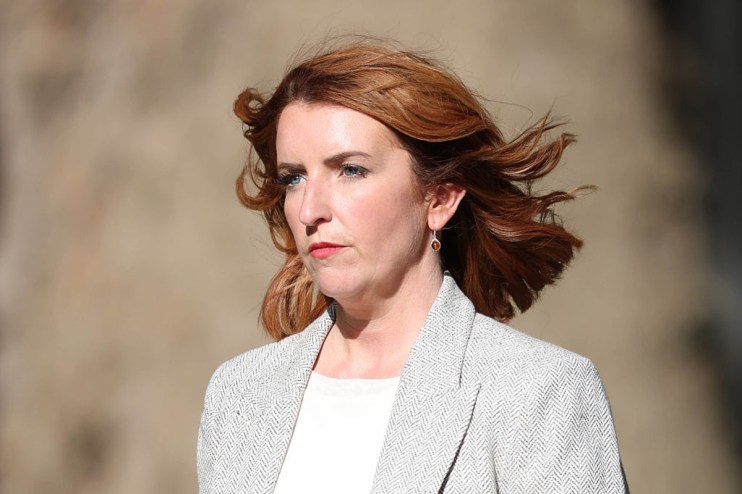
Louise Haigh wants public control of Britain’s utilities. Australia, the US and France show why who owns the pipes and wires really matters, says Helen Thomas
Louise Haigh used her address to the CBI annual conference on Monday to make the case for greater public control of Britain’s utilities. Before this descends into the familiar argument about the merits of privatisation, it’s worth looking at the economics of utilities and what other countries have actually chosen to do.
When it comes to something we all need, like water, once someone has dug up the street and laid the pipes, it is generally cheaper to connect another house to the same network than to build a rival one. Economists call this a natural monopoly. If the owner puts up the price or skimps on maintenance, where exactly is the customer supposed to go?
Governments can run these networks themselves or give regulators powers over what companies can charge and what they must deliver. Both arrangements have their difficulties. A minister can keep bills down before an election and leave a successor to pay for the maintenance. A regulated company can know far more about the condition of its pipes than the people deciding what it ought to spend. And whoever owns it has to find the money for work today whose chief benefit may be that, 20 years from now, nothing goes wrong.
Australia shows how a country can bring in private capital and still draw a line around a particular asset. In 2016, New South Wales sought to lease a majority interest in Ausgrid, the electricity network serving Sydney and surrounding areas, for 99 years. The federal treasurer rejected two foreign bids on national security grounds. The lease went to Australian retirement savings investors, while the state kept just under half. Australia generally requires foreign government investors to seek approval for a direct interest in a business, typically a stake of at least 10 per cent. That gives Canberra a chance to examine what powers come with the investment before the deal goes through.
Stay in the know
Three daily briefings with the key market moves and top business and political stories.
SUBSCRIBE HEREDecisions about who pays for new infrastructure can determine whether it gets built at all
The United States has a mix of investor-owned utilities, municipal providers and co-operatives. Certain foreign investments in critical infrastructure face federal security scrutiny, while utility regulators consider what a takeover could mean for customers. This month’s midterms showed just how political those customer interests can become. Voters in 10 states backed restrictions on data centres or rejected proposals to build them. Behind some of that opposition was a question about electricity bills. If the tech companies need more power plants and bigger grids, who pays for them? The row went straight to the heart of utility regulation. Decisions about who pays for new infrastructure can determine whether it gets built at all.
France made a different choice. It already controlled EDF when it bought out the remaining shareholders in 2023, after President Macron announced a new nuclear construction programme. There is a financial logic to full ownership when ministers want a company to commit billions to power stations that will take years to sell their first unit of electricity. The state can set the timetable and accept risks that outside shareholders might baulk at. French taxpayers carry the risk if costs overrun. And the company France regards as central to its own energy security also operates nuclear power stations in Britain.
An electricity grid or a water network will outlast most governments and quite possibly some alliances. A country we trust today may have very different interests in 30 years. So when a foreign government buys into a British utility, it is worth asking what it could do if relations sour. Does its stake mainly earn it a dividend, or does it give it influence over the people who run the network or access to sensitive systems? Could Britain keep the service running if the owner stopped co-operating? The percentage on the share register only gets you so far.
Britain also needs investors prepared to put money into assets that take decades to pay for themselves. Ofwat’s latest price review provided for £104bn of investment over five years. Pension funds and insurers can be natural investors in that sort of infrastructure because they have pension and insurance promises to meet decades from now. They can price a clear set of rules about what they may own and what return they can earn. If they think those rules could change whenever bills become politically awkward, they will ask for a higher return. Customers can end up paying for that uncertainty.
Team Burnham is looking at this thorny topic at a pivotal moment. Governments are looking to secure supplies of energy, water and other essential resources just as new industries are making greater demands on the networks that deliver them. Britain will need to raise capital on terms households can afford while retaining the ability to keep those services running in a crisis. That is the debate Haigh has opened up. Who owns the pipes and wires matters because of the decisions they get to make and the risks the rest of us are left to carry.