Oil prices extended their decline on Tuesday as hopes of potential deal between the US and Iran offset shipping risks in the Strait of Hormuz.
Brent crude slipped 0.4 per cent to $88.9 per barrel in early trading, after closing at its lowest level since 31 August on Monday.
West Texas Intermediate also declined 0.2 per cent to $79.9 per barrel, after hitting its lowest level since 26 August.
The pullback marks a sharp reversal from earlier risk-driven rallies. Analysts credited the prospect of possible negotiations with the unwinding of the “geopolitical risk premium” built into crude prices.
Ewa Manthey, commodities strategist at ING, said: “The prospect of negotiations has eased some immediate concerns over Middle East supply, particularly as crude exports from the Persian Gulf have remained relatively resilient despite continued disruption around the Strait of Hormuz.
Stay in the know
Three daily briefings with the key market moves and top business and political stories.
SUBSCRIBE HERE“However, significant differences between the US and Iran remain, leaving oil vulnerable to any setback in talks.”
Maritime flashpoints
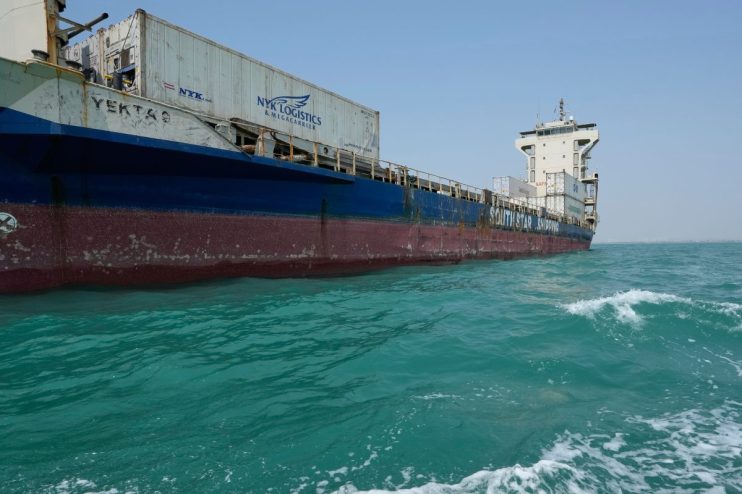
Despite potential movement in diplomatic negotiations, threats to trade in the strait remain elevated.
Iran’s Revolutionary Guard navy said three “violating” oil tankers caught fire in the strait on Monday after hitting naval mines.
Meanwhile, the US is investigating whether Iran was involved in cyberattacks on as many as 50 energy tankers, according to the Wall Street Journal.
Fragile market
Rising production away from the Middle East, including in Brazil and Guyana, alongside the reopening of Libya’s pipeline and temporary US waivers on Russian oil sanctions has replenished global stockpiles.
But analysts warned against treating lower prices as a sign the market is in a complete recovery.
In a client note, Daniel Hynes, senior commodity strategist at ANZ, said: “Despite some improvement in inventories and product availability, the oil market remains under severe strain.
“Oil prices… and investor positioning increasingly suggest the market expects conditions to normalise. Yet logistics remain constrained and inventory buffers are thin.
“The oil system therefore appears to be moving from acute scarcity towards persistent vulnerability, rather than returning to normal.”