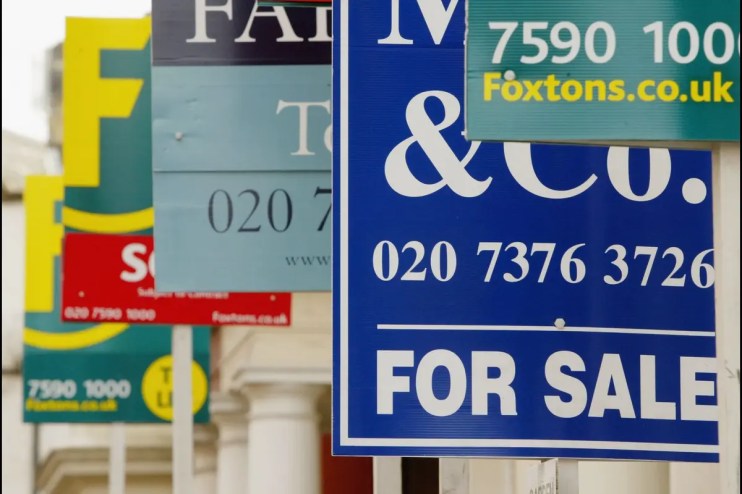
Millions of British homeowners will face more mortgage pain after the Iran war helped push up interest rates, the Bank of England has warned.
Some 6.5m borrowers will face a monthly increase in payments over the coming years as they refinance onto higher fixed rates.
Around 3.4m of these are expected to face less than a £100 increase while 2.7m will fall between a £100 and £500 jump. Some 430,000 will pay more than £500.
The average household now faces a monthly £100 rise – double the figure in July.
Over a million will face a substantial jump in the near-term as they remortgage onto an average 5.5 per cent rate, from below three per cent. The central bank’s Financial Policy Committee (FPC) estimates this will amount to a nearly £200 increase.
Stay in the know
Three daily briefings with the key market moves and top business and political stories.
SUBSCRIBE HEREMortgage rates have tracked higher following the inflationary pressures caused by Iran war, which caused the Bank of England to hike rates for the first time since 2023 earlier this month to four per cent.
Spending could be hit, Bank warns
The FPC said higher payments “may need to reduce discretionary spending or draw down savings as higher energy and other essential costs feed through”.
Lower-income households would have “less room to adjust,” the committee added, with a larger share of their income forced to go on essentials.
Bank officials told MPs this week that there had so far been low levels of pass-through from international energy prices to other goods and products across the economy.
The Monetary Policy Committee’s next decision on interest rates is in December. Analysts are split on whether the Monetary Policy Committee will decide to hike rates to 4.25 per cent or leave them on hold.
Housing sales were forecast to have fallen to the lowest point in over three years in October after increased mortgage rates hammered buyer demand.
According to the Royal Institution of Chartered Surveyors’ (RICS) latest findings in its UK Residential Market Survey, the outlook for sales has slipped to the lowest point since July 2023, with October showing subdued demand and falling agreed sales.