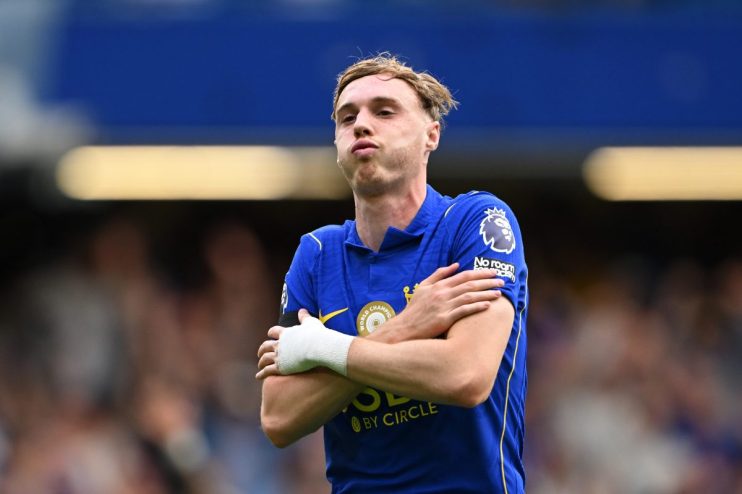
As well-known sports personalities, footballers can make a lot of money from exploiting their image, especially in the age of social media. As a bonus, they can put structures in place to minimise the tax take on these earnings.
Not for much longer, though. HMRC has been scrutinising these arrangements, and from April 2028, new rules mean revenue from image rights “related to an employment” (ie: deriving from their club activities) will be treated as employment income. As a result, payments will be subject to PAYE and National Insurance Contributions (NICs) for both player and club.
While sensible on paper, this raises questions over implementation: what do the new rules catch, and who polices them?
Why image rights can be lucrative – for the taxman
Consider the tax at stake when a footballer receives £100,000 from their club for image rights exploitation. Currently, the club can claim it as an allowable expense, saving Corporation Tax, and the payment goes into the player’s image rights company, attracting Corporation Tax at 25 per cent.
Treated as employment income, the payment would cost the club NICs at 15 per cent, and cost the player tax and NICs at 47 per cent.
Stay in the know
Three daily briefings with the key market moves and top business and political stories.
SUBSCRIBE HERENo wonder HMRC wants to change the rules: it expects additional tax receipts of £40m-£45m annually from 2028, plus an extra £10m in the preceding two tax years, presumably due to agreements being amended ahead of time.
The rules go beyond payments from clubs to players, and cover third-party payments arranged or facilitated by the club or received “by reason of… employment”. But the scope of the legislation’s wording here is uncertain and open to interpretation that ultimately will be settled by the courts.
However, HMRC’s guidance sets out its view: a player obtaining the club’s permission to enter a third-party agreement would not be caught by the rules, nor would an employer simply providing a player with contact details to a brand.
Yet if a club recommends or selects a player for an opportunity, negotiates on a player’s behalf, or receives remuneration as part of any agreement, this would fall within the new rules. Clubs must be careful in their dealings with brands to ensure they do not inadvertently breach these conditions.
Fair play?
HMRC provided an example that considerably widens the potential scope of the rules. In its hypothetical scenario, a club wins the league for the first time, prompting a local biscuit brand to sponsor the captain.
The biscuit brand is named after the same location as the club, uses similar colours in its branding as the club, and uses the term “for winners” in its advertising. HMRC says this is sufficient for sponsorship payments to be treated as employment income, even though the club was not involved in the agreement in any way.
But how is the club to know of its obligations in this situation? Should it check all output involving players for potential links that could create a tax charge? What if the biscuit brand’s colour scheme was already similar to the club’s? Is it possible that different tax outcomes could arise for a team captain who has won numerous trophies to another that won just one, and is this fair?
Some would argue that, rather than the sponsorship being based on team achievements, success on the pitch enhanced the individual players’ image: therefore, exploitation is not team (or employment)-specific.
HMRC guidance is not law, merely its interpretation of the legislation. The courts will decide how these rules are applied.
The taxman’s strict approach may be designed to encourage an overly cautious approach from clubs: after all, they expect to raise £10m before the rules are even introduced.
What happens next will be closely watched by everyone with skin in the game.
Adam Jefferies is a Private Client Director at PKF Littlejohn.